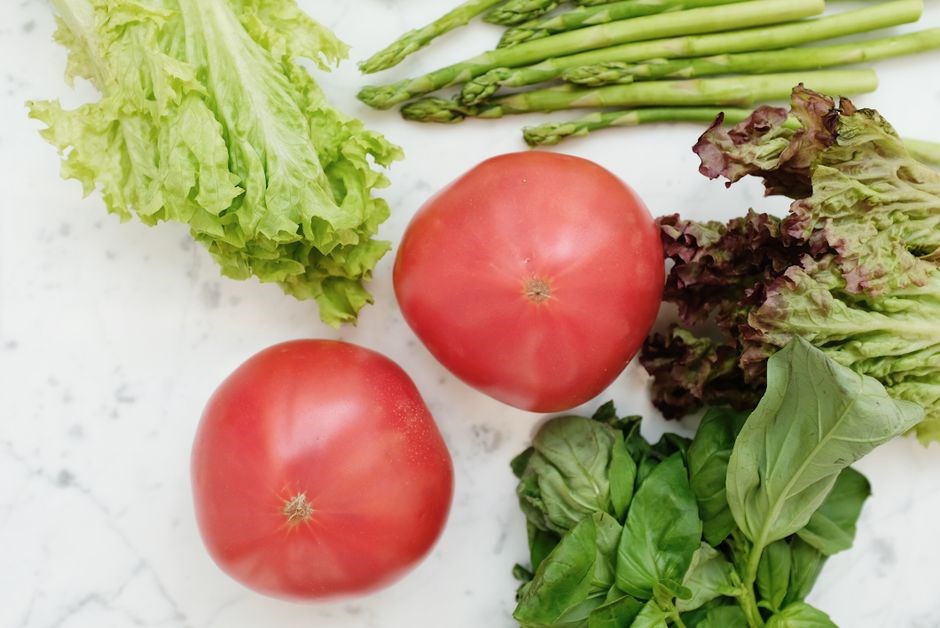
Cholecystitis, inflammation of the gallbladder, often follows gallstones or infection. Managing it begins with diet: low‑fat, nutrient‑dense meals reduce bile strain and support healing. Understanding these needs helps patients avoid pain, prevent complications, and transition safely to normal eating.!!
What is cholecystitis?
Cholecystitis is the inflammation of the gallbladder, a small pear‑shaped organ located beneath the liver that stores and concentrates bile. The condition typically arises when bile flow is obstructed, most often by gallstones, leading to a buildup of pressure and irritation of the gallbladder wall. Inflammation can be acute, presenting suddenly with severe right‑upper‑quadrant pain, fever, nausea, and a tender abdomen, or chronic, developing over months or years as repeated episodes of irritation cause thickening of the wall and reduced function. Risk factors include obesity, rapid weight loss, high‑fat diets, female sex, age over 40, and certain genetic predispositions. Diagnosis is usually confirmed through abdominal ultrasound, which can visualize stones, wall thickening, or fluid around the organ, and may be supplemented by blood tests showing elevated white blood cells or liver enzymes. If left untreated, acute cholecystitis can progress to gangrene, perforation, or sepsis, while chronic disease increases the likelihood of gallbladder cancer. Management often begins with hospitalization, intravenous fluids, pain control, and antibiotics to address infection. In many cases, surgical removal of the gallbladder (cholecystectomy) is recommended to prevent recurrence. Understanding the underlying mechanisms of cholecystitis is essential for clinicians to tailor treatment plans and for patients to recognize early warning signs, thereby reducing morbidity and improving quality of life. Prompt medical attention saves lives! Every day.
Why diet matters in management
Consistent dietary choices are a cornerstone of cholecystitis treatment because the gallbladder’s primary function—concentrating and releasing bile—depends on the type and amount of fat entering the digestive tract. When high‑fat meals are consumed, the organ must contract vigorously to expel a large bile load, which can exacerbate inflammation, trigger painful spasms, and increase the risk of bile‑stone obstruction. By limiting total fat to no more than 20–30 grams per day and favoring unsaturated sources such as olive oil, avocado, and fatty fish in modest portions, patients reduce the mechanical stress on the gallbladder wall and allow inflamed tissue to heal. In addition, fiber‑rich vegetables, whole grains, and lean proteins slow gastric emptying, creating a steadier bile flow and preventing sudden spikes that could provoke symptoms. Adequate hydration further dilutes bile, lowering the likelihood of crystal formation. Beyond the physiological benefits, a structured diet helps patients recognize personal trigger foods, maintain stable blood sugar, and avoid the weight fluctuations that often precipitate gallstone formation. Ultimately, dietary control works synergistically with medication and, when necessary, surgery, providing a non‑invasive strategy to manage pain, shorten hospital stays, and improve long‑term quality of life for those living with cholecystitis. Consistent monitoring and adjustments keep the new diet effective, sustainable, and supportive of overall recovery.
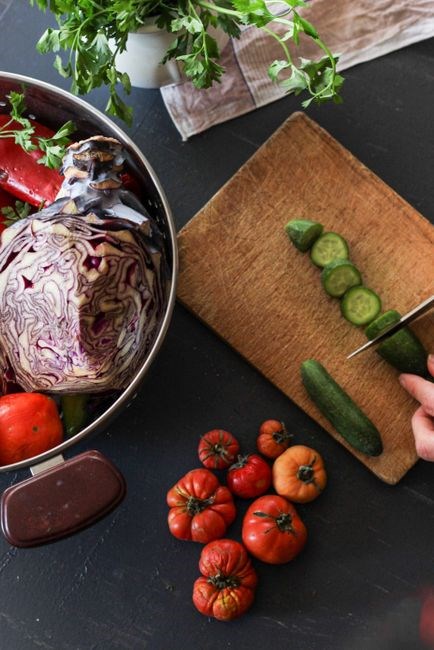
Key Principles of a Cholecystitis‑Friendly Diet
A cholecystitis-friendly plan focuses on lowfat meals, keeping fat under 30 g. Choose lean proteins, whole grains, and vegetables; avoid fried foods, heavy sauces, and fullfat dairy. Eat small frequent serves and stay hydrated for steady bile flow.
Low‑fat emphasis
Adopting a low‑fat emphasis is the cornerstone of any diet designed to ease the burden on an inflamed gallbladder. Fat stimulates the gallbladder to contract, releasing bile that can aggravate pain when the organ is compromised. By limiting total daily fat to no more than 20–30 grams, patients can markedly reduce the frequency and intensity of attacks. Choose cooking techniques that require little or no added fat, such as steaming, poaching, grilling, or baking on a rack, and use non‑stick cookware to eliminate the need for oil. Good sources of protein that remain low in fat include skinless poultry, lean cuts of pork or beef such as tenderloin, egg whites, low‑fat dairy like skim milk or yogurt, legumes, tofu, and fish that are baked or broiled rather than fried. Fiber‑rich vegetables and fruits not only provide essential vitamins but also help bind bile acids, further easing gallbladder workload; aim for at least five servings daily, focusing on non‑starchy varieties like broccoli, spinach, carrots, berries, and apples. When snacking, reach for raw nuts in very small portions (no more than a handful) or a piece of fruit, and avoid processed items like chips, crackers, and pastries that often hide hidden fats. Keeping a food diary can reveal hidden sources of fat and help you stay within the target range, while regular check‑ins with a healthcare professional ensure the plan remains appropriate as symptoms evolve. Steady low‑fat habits speed healing and safeguard gallbladder function now.
Avoiding trigger foods
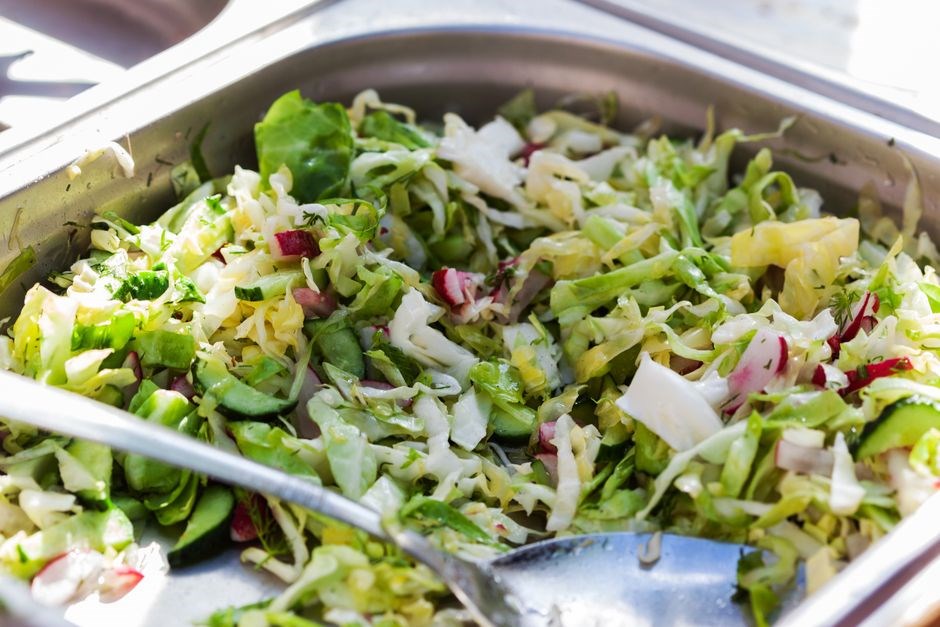
Identifying and eliminating dietary triggers is essential for preventing gallbladder attacks and reducing inflammation. High‑fat items such as fried foods, fatty cuts of red meat, full‑fat dairy, and creamy sauces stimulate strong bile release, often causing pain. Processed snacks, commercial baked goods, and fast‑food meals frequently contain hidden trans fats and saturated fats that aggravate symptoms. Spicy dishes, heavy seasoning, and acidic foods like citrus or tomato‑based sauces may irritate the digestive tract further. Caffeine and alcohol can increase gastric acid and gallbladder contraction, so limiting coffee, tea, soda, and alcoholic beverages is advised. Gas‑producing vegetables such as cabbage, broccoli, and onions should be introduced cautiously. Keeping a detailed food diary helps pinpoint personal intolerances. Gradual reintroduction of tolerated foods ensures nutritional balance while maintaining symptom control. Consulting a registered dietitian provides personalized guidance for long‑term management and prevents unnecessary dietary restrictions that could lead to deficiencies.
Meal Planning and Portion Control
Effective meal planning stabilizes bile flow and prevents overload. Small, frequent meals reduce gallbladder stress. Focus on lean protein, whole grains, and cooked vegetables. Consistent timing aids digestion and reduces discomfort. Plan ahead and track portions daily for success now!
Balanced plate method
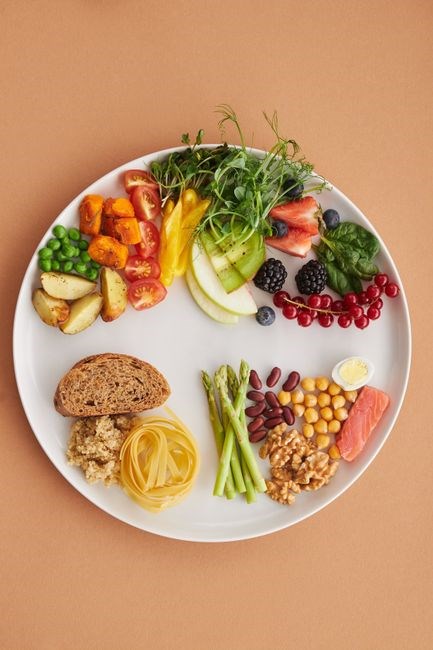
When planning meals for a gallbladder‑friendly diet, visualizing the plate helps keep fat, fiber, protein, and carbohydrate portions in a safe range. Imagine a standard dinner plate divided into three zones. Fill half of the plate with non‑starchy vegetables such as steamed broccoli, carrots, zucchini, or leafy greens. These vegetables are low in fat and high in fiber, which slows digestion and reduces the need for a strong bile release.
Reserve one‑quarter of the plate for lean protein sources that contain minimal saturated fat. Excellent choices include skinless poultry, white‑meat fish, tofu, or low‑fat cottage cheese. Aim for a serving size roughly the size of a deck of cards (about 3‑4 oz). This portion supplies essential amino acids without overloading the gallbladder.
Allocate the remaining quarter to complex carbohydrates that are also low in fat. Opt for whole‑grain options such as brown rice, quinoa, barley, or whole‑wheat pasta. A serving should be about the size of a clenched fist. Complex carbs provide steady energy and, when paired with fiber‑rich vegetables, help regulate blood sugar and bile flow.
Add a modest drizzle of olive oil or avocado slices for fats, under one teaspoon per mealOK.
Sample visual guide:
- 50 % vegetables – colorful, steamed or raw.
- 25 % lean protein – grilled, baked, or poached.
- 25 % whole‑grain carbohydrate – cooked, un‑buttered.
- Optional 1 tsp healthy fat – drizzle or garnish.
Sample portion sizes
Understanding exact portion sizes is critical for managing cholecystitis symptoms and preventing painful flare‑ups triggered by excessive fat or volume. A well‑structured PDF handout allows patients to reference these measures instantly while cooking or dining out. General guidelines suggest eating five to six small meals daily rather than three large ones, keeping each sitting under 400 calories and 10 grams of total fat. For lean protein—skinless chicken breast, turkey, cod, sole, egg whites, or firm tofu—weigh 100 grams raw (3.5 ounces) per meal, which cooks down to approximately 75 grams, roughly the size of a standard checkbook. Complex carbohydrates such as quinoa, brown rice, oats, or whole‑wheat couscous should measure 120 grams cooked (about ⅔ cup), visualizable as a tennis ball. Starchy vegetables like sweet potato or butternut squash fit a 100‑gram (½ cup) limit. Non‑starchy vegetables—spinach, broccoli, green beans, cucumber, bell peppers—are encouraged at 150 to 200 grams (1 to 1.5 cups) per meal, filling half the plate. Healthy fats are restricted to 5 milliliters (one teaspoon) of extra‑virgin olive oil, 10 grams of nuts (six almonds or four walnut halves), or 25 grams of avocado (one‑eighth fruit) per day total. Low‑fat dairy portions include 180 grams (¾ cup) of 0–1% Greek yogurt, 200 milliliters of skim milk, or 30 grams (1 ounce) of reduced‑fat cheese. Fruit servings equal 120 grams (one small piece or ¾ cup berries). Snacks might combine 15 grams whole‑grain crackers with 30 grams hummus or 100 grams apple slices with one teaspoon almond butter. Printing these specifics as a laminated PDF chart promotes adherence and reduces guesswork during meal preparation. Weigh foods initially with a scale to calibrate visual estimates, then use hand‑portion methods, updating the PDF log to track tolerance and symptom correlation.
Sample Weekly Menu (PDF Ready)
Monday: Oatmeal with berries, steamed broccoli & grilled chicken, quinoa salad.Tuesday: Greek yogurt, fruit, baked cod, brown rice, roasted carrots.Wednesday: Smoothie, turkey wrap, lentil soup, green beans.Thursday: Scrambled eggs, spinach, salmon, sweet potato.
Breakfast options
Choosing the right breakfast sets the tone for a calm gallbladder day. Focus on low‑fat, high‑fiber foods that supply steady energy, keep bile production manageable, and avoid sudden spikes that can trigger discomfort. Including a small portion of whole‑grain toast or a side of steamed vegetables can further balance blood sugar and provide additional fiber without overloading the gallbladder.
- Oat‑berry bowl: cooked rolled oats mixed with water, topped with fresh blueberries, sliced banana, and a sprinkle of ground flaxseed. No added butter or sugar; a dash of cinnamon adds flavor.
- Egg‑white veggie scramble: three egg whites whisked with a splash of skim milk, folded with sautéed spinach, diced tomato, and mushrooms. Served with a slice of whole‑grain toast; season with pepper only.
- Fruit‑nut quinoa porridge: cooked quinoa blended with almond milk, stirred with diced apple, raisins, and a pinch of cinnamon; topped with a few toasted almonds for crunch, keeping fat under control.
Pair each plate with water or herbal tea, and steer clear of coffee, orange juice, or high‑fat spreads to keep the digestive system gentle. Avoid fried foods, dairy, and processed snacks throughout the morning; instead, consider a handful of nuts or a serving of low‑fat cheese if protein is needed. Consistency is now key—keeping these habits daily supports long‑term gallbladder health and reduces the likelihood of flare‑ups.
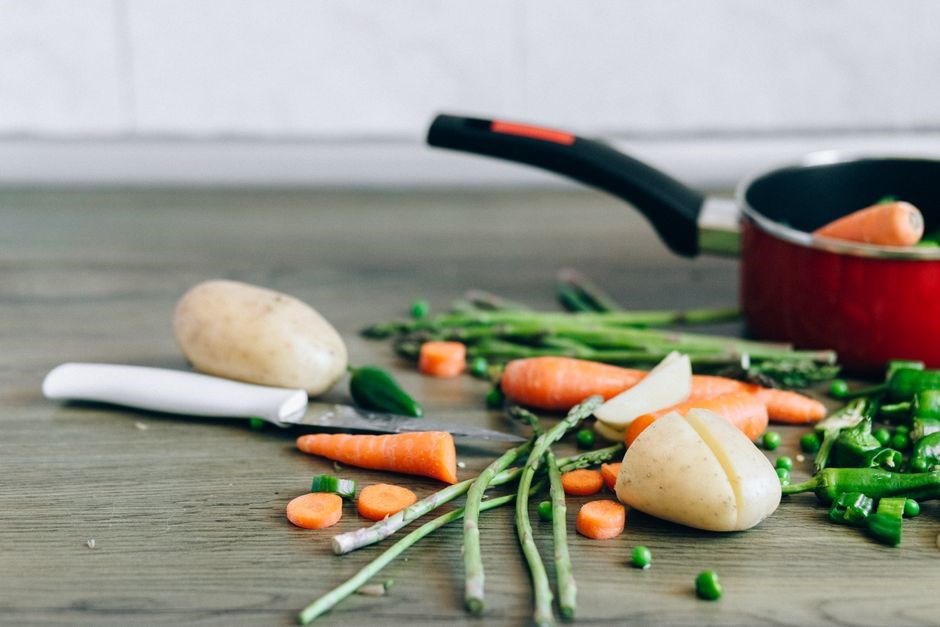
Dinner and snack ideas
Evening meals should be light, low‑fat, in fiber to keep bile production without overloading the gallbladder. Aim for a plate half vegetables, a quarter lean protein, and a quarter whole‑grain now. Below are safe, flavorful options to mix throughout the week.

- Grilled herb chicken (skinless) with roasted carrots, zucchini, and a side of quinoa seasoned with lemon zest.
- Baked white fish such as cod or sole, drizzled with a ginger‑soy glaze, served over brown rice and steamed broccoli.
- Turkey meatballs in a tomato‑basil sauce, paired with whole‑wheat spaghetti and a simple arugula salad dressed with balsamic vinegar.
- Stir‑fried tofu with bell peppers, snap peas, and a splash of low‑sodium tamari, accompanied by millet;
Snack ideas should be nutrient‑dense yet low in fat. Choose foods that provide protein or complex carbs to curb hunger between meals without triggering gallbladder pain.
- Fresh fruit salad with a dollop of low‑fat Greek yogurt.
- Air‑popped popcorn seasoned with nutritional yeast.
- Veggie sticks (cucumber, bell pepper, celery) with hummus made from minimal oil.
- Whole‑grain crackers topped with cottage cheese and sliced tomato.
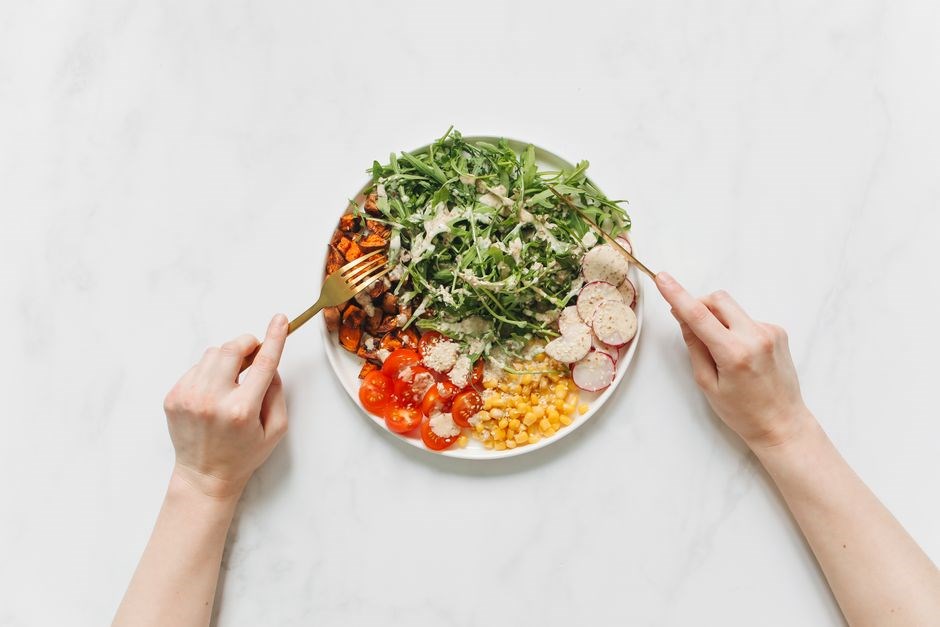
Hydration is essential; sip water, herbal teas, or diluted fruit juices. Avoid fried foods, creamy sauces, and high‑fat dairy at dinner and snack time to keep symptoms at bay.Enjoy meals slowly, stay hydrated now.
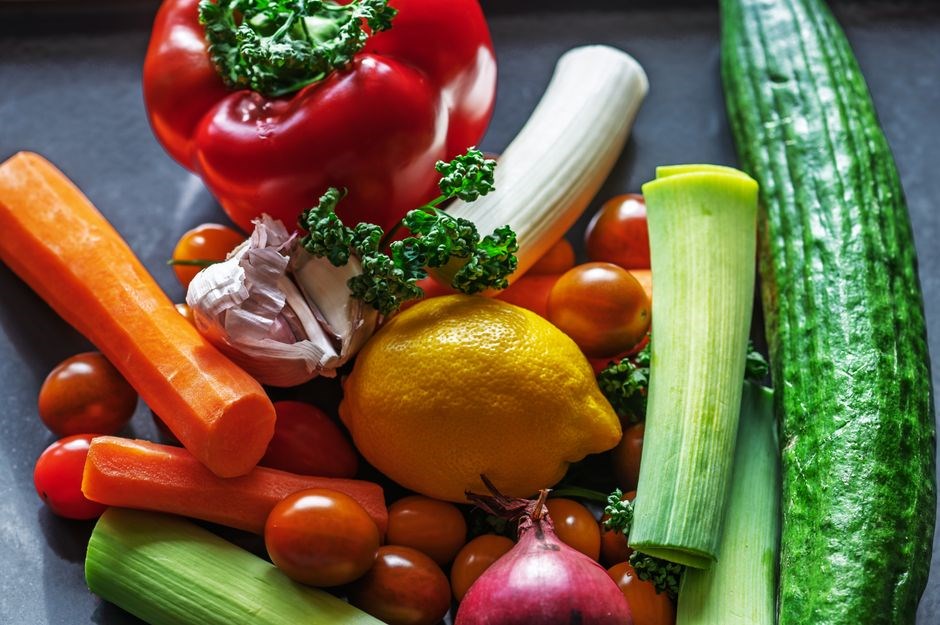
Resources, Recipes, and PDF Creation Tips
Helpful tools include Canva or Google Docs for layout, then export as PDF. Free converters such as Smallpdf or PDF24 work well. Reliable sources: NIH, American College of Gastroenterology, and reputable cookbooks. Simple recipes emphasize steamed veggies, lean protein, and whole grains. Enjoy plan. Now
Trusted sources and further reading
Reliable medical information is essential when tailoring a cholecystitis-friendly eating plan. The American College of Gastroenterology (ACG) publishes evidence-based guidelines that detail dietary fat limits, recommended fiber sources, and safe cooking methods. The National Institute of Diabetes and Digestive and Kidney Diseases (NIDDK) offers patient-focused fact sheets explaining gallbladder inflammation, symptom monitoring, and nutrition tips. For peer-reviewed research, PubMed remains the primary database; search terms such as “cholecystitis diet”, “low-fat gallbladder nutrition”, and “post-cholecystectomy diet” retrieve recent clinical trials and systematic reviews. The Academy of Nutrition and Dietetics provides a searchable “Eatright” portal where registered dietitians share printable meal-planning templates that can be exported as PDFs. Websites like Mayo Clinic and Cleveland Clinic feature concise overviews and downloadable diet guides vetted by physicians. For practical recipe ideas, the British Dietetic Association’s “Food for Health” collection includes low-fat, high-fiber dishes with clear macronutrient breakdowns. Finally, consider joining reputable online support communities ⎼ such as the HealthUnlocked gallbladder forum or the Reddit r/Cholecystitis subreddit, where members share vetted resources, ask questions, and provide feedback on diet PDFs they have created. Always cross-check shared links with a qualified healthcare professional before implementation.OK