Overview of Mia Sebastian Theme
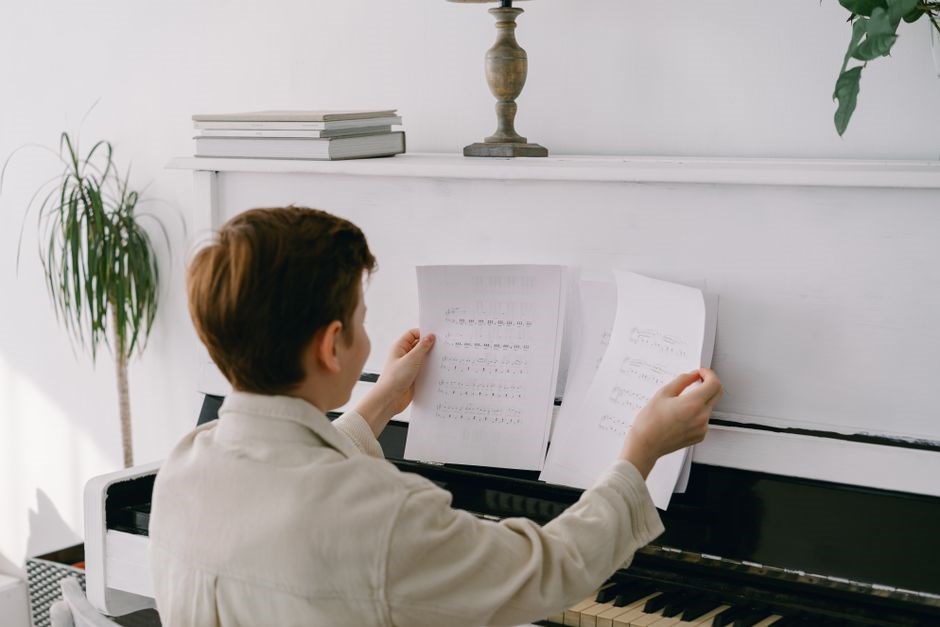
Mia Sebastian Theme‚ composed by Justin Hurwitz for La La Land‚ blends jazz motifs with lyrical piano lines. The score is popular on MuseScore‚ offering free PDF and MIDI downloads‚ and is widely arranged for piano‚ guitar‚ and flute. Thaks
Composer and Film Context
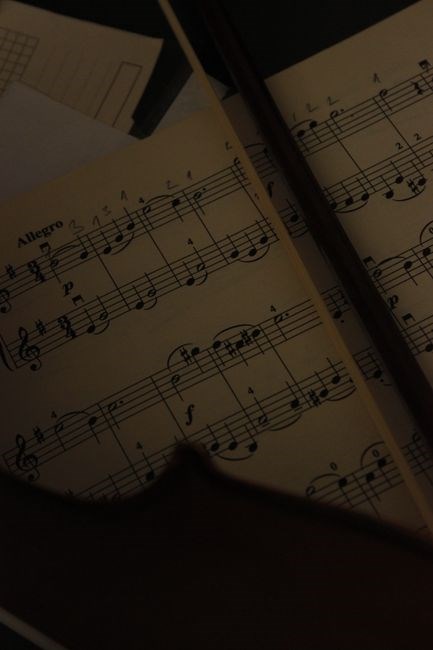
Justin Hurwitz‚ a celebrated American composer known for his work on the Academy‑winning film La La Land‚ crafted the Mia Sebastian Theme as a central musical motif that underscores the protagonist’s emotional journey. The theme first appears in the opening scene‚ where Mia‚ a struggling jazz pianist‚ performs a haunting solo on a dimly lit street corner. Hurwitz’s composition blends classic jazz harmony with contemporary melodic lines‚ creating a bittersweet atmosphere that mirrors Mia’s aspirations and frustrations. The piece’s chord progressions‚ featuring a recurring minor‑major shift‚ evoke both hope and melancholy‚ while the syncopated rhythm reflects the improvisational nature of jazz. Released as part of the official La La Land soundtrack in 2016‚ the theme quickly became a fan favorite‚ inspiring numerous covers and arrangements across piano‚ guitar‚ and flute. Its lyrical phrasing invites performers to explore subtle dynamic shifts‚ adding depth. The theme’s enduring appeal lies in its blend of cinematic storytelling and authentic jazz craftsmanship‚ making it a staple for musicians seeking to capture the film’s romantic yet realistic spirit. Its melodic structure‚ featuring gentle arpeggios‚ encourages expressive nuance!!
Musical Structure and Themes
In the Mia Sebastian Theme‚ the composer employs a form that alternates between an opening and a middle section. The opening is marked by an arpeggio in the left hand‚ while the right hand introduces a melodic line that repeats a motif of three notes‚ creating longing. This motif expands in the bridge‚ where a subtle shift to the relative major adds warmth before returning to the original minor tonality. Harmonic progressions rely on ii–V–I cadences‚ typical of jazz‚ but the composer inserts turns that keep the listener engaged. The theme’s rhythmic feel is driven by syncopated eighth‑note patterns‚ giving a swing‑like pulse that is relaxed and forward‑moving. Dynamic markings range from pianissimo to mezzo‑forte‚ emphasizing the emotional contrast between hope and despair. The melody’s contour rises and falls‚ with the final phrase resolving on a tonic that feels satisfying and open to interpretation. Musicians highlight the theme’s lyrical quality by using rubato‚ while the underlying harmony invites reharmonization for advanced arrangements. The combination of these elements makes the Mia Sebastian Theme a study in how film music can blend genre conventions with depth. The theme’s rhythmic feel is driven by syncopated eighth‑note patterns‚ giving a swing‑like pulse that is relaxed and forward‑moving with subtle harmonic shifts that enhance emotional texture and resonance.
Available Sheet Music Formats
PDFs and MIDI files are freely downloadable from MuseScore. Printable PDFs offer high‑resolution scores‚ while MIDI files allow playback and editing. Users can also access quality‑optimized PDFs for professional printing. All formats support sharing
PDF Downloads
PDF downloads of the Mia Sebastian Theme are readily available on MuseScore‚ where users can access high‑resolution‚ print‑ready PDFs for both piano and guitar arrangements. The site offers a free download link for the official score‚ which includes the full orchestral parts‚ a simplified piano solo‚ and a guitar transcription. Users can also find community‑generated PDFs that feature alternate voicings and extended harmonies. Each PDF is labeled with the composer’s name‚ the arrangement title‚ and the publisher’s license information‚ ensuring clear attribution. The download page includes a preview pane‚ allowing musicians to view the first few pages before downloading. For those who prefer a digital format‚ the PDFs can be opened in any standard PDF viewer or imported into notation software such as Sibelius or Finale. The files are compressed to keep the download size manageable while preserving the fidelity of the original score. Additionally‚ the MuseScore platform provides a “print quality” option‚ which generates a higher‑resolution PDF suitable for printing. Users can also request a custom PDF by contacting the uploader‚ who often offers to adjust layout or add annotations request
MIDI Files
Midi files for Mia Sebastian Theme are available on MuseScore and other community sites. The official score by Justin Hurwitz is offered in a 44‑track midi that captures the full orchestration‚ including piano‚ strings‚ brass‚ and percussion. Users can download the midi directly from the MuseScore page‚ where the file is labeled “Mia Sebastian Theme – Official MIDI.” The file size is typically around 3.5 MB‚ making it easy to transfer and load into DAW software such as Ableton Live‚ Logic Pro‚ or FL Studio. The midi includes tempo markings that match the original film’s timing‚ allowing for accurate playback and rehearsal. In addition to the full orchestral version‚ several community contributors have uploaded simplified midi arrangements for piano solo and guitar‚ each with a separate track for the melody line and accompaniment. These midi files are often tagged with the arranger’s username‚ and many include a short description of the arrangement style‚ such as “piano‑solo‚ easy” or “guitar‑right‑hand melody.” Users can also export the midi from the MuseScore score by selecting “Export” and choosing the MIDI format‚ which preserves the original dynamics and articulations. The midi files are free to download and use for personal practice‚ but for any public performance or recording‚ users should verify the licensing terms listed on the download page. The community also offers a “MIDI to PDF” conversion tool‚ allowing musicians to generate a printable score from the midi file if they prefer a visual reference. Overall‚ the midi resources provide a versatile way to study the theme’s harmonic structure and rhythmic patterns‚ especially for those who want to experiment with different instrumentation or create their own arrangements These midi files also support tempo changes and key transpositions‚ enabling performers to adapt the theme to various ensemble sizes and styles
Printable PDF Quality Options
When searching for Mia Sebastian Theme sheet music‚ users often find two main PDF types: a download from MuseScore and a version. The free PDF is ideal for casual practice or printing‚ though enlarging beyond 150 % can make the notation slightly pixelated. The premium PDFs are produced at 600‑dpi or higher‚ ensuring crisp noteheads‚ slurs‚ and dynamics on both screen and paper. Many publishers offer a “print‑ready” option that includes a bleed area and a white border‚ allowing the score to be printed on standard 8.5×11‑inch paper without cropping. Some sites also provide a vector‑graphic PDF that can be scaled infinitely without loss of clarity. Users can download a compressed version for faster web loading‚ though this may reduce image sharpness slightly. Finally‚ a “page‑numbered” version is available‚ automatically inserting page numbers at the bottom of each sheet‚ which simplifies referencing during rehearsal or performance. All options are clearly labeled on the download page‚ enabling musicians to choose the appropriate quality level for their needs. These resources empower musicians to tailor the score to their performance and rehearsal needs‚ ensuring a polished presentation today here!!.
Primary Sources for Sheet Music
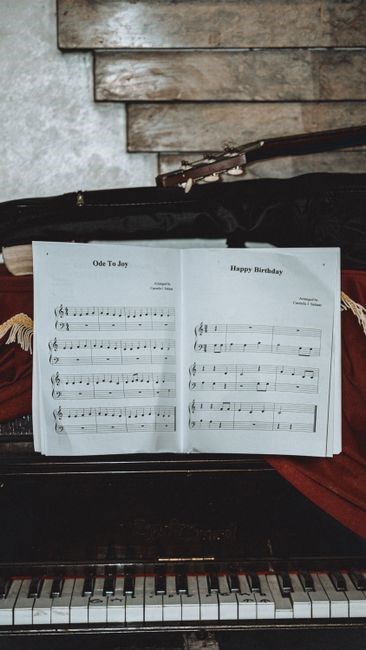
Mia Sebastian Theme PDFs are on MuseScore‚ publishers‚ and community sites. Free PDFs‚ MIDI‚ and high‑resolution prints are available‚ each labeled with version and quality for quick access. These sources offer free and premium options worldwide
MuseScore.com Listings
On MuseScore.com‚ the Mia Sebastian Theme is listed under multiple user uploads‚ each offering a distinct arrangement. The most popular version‚ credited to “byu1‚” is a piano‑solo transcription that preserves the original harmonic texture while simplifying the rhythmic structure for beginners. This PDF is downloadable for free and includes a printable score‚ a MIDI file‚ and a playback feature that allows users to hear the piece in real time. Another entry‚ “tiffanykim145‚” provides a full orchestration with piano‚ strings‚ and brass‚ ensembles. The file is available in PDF and MIDI formats‚ and the author has added a fingering guide to aid performers. For guitarists‚ the “guitar‑melody” version by “Serena Barbieri” focuses on the right‑hand melody line‚ providing chord symbols and a simplified accompaniment. All these listings are licensed under Creative Commons or the publisher’s terms‚ and users can preview the score before downloading. The platform also offers a comment section where musicians discuss performance tiny nuances‚ and a “likes” system that highlights the most trusted arrangements. By exploring these listings‚ players can choose the version that best matches their skill level and ensemble size‚ ensuring a rendition of the iconic theme.
Print Music Publishers Licenses
Official sheet‑music editions of Mia Sebastian Theme are issued by major publishers such as Hal Leonard‚ Alfred Music‚ and Boosey & Harris. These editions are typically sold as high‑resolution PDF bundles that include the full orchestral score‚ a piano‑solo reduction‚ and a guitar‑arranged version. Each publisher’s license grants the purchaser the right to perform the piece in a private or public setting‚ provided the venue’s performance‑licensing organization (e.g.‚ ASCAP‚ BMI‚ or SESAC) has issued a blanket license covering the work. The PDFs are protected by digital‑rights‑management (DRM) that prevents unauthorized redistribution. For educational institutions‚ a separate “institutional license” is available‚ allowing unlimited copies for classroom use. Musicians who wish to publish their own arrangements must obtain a mechanical license from the copyright holder‚ typically through the U.S. Copyright Office or a licensing agency. Additionally‚ the publishers offer a “print‑on‑demand” service that allows users to order hard‑copy copies in various sizes and paper types. The terms of use are governed by the publishers’ standard contract‚ which prohibits the sale of the PDF files and requires that any derivative works be submitted for publication. Compliance with these terms ensures that performers and educators can use the official score while respecting the composer’s intellectual‑property rights. The publishers also provide a digital license that allows the score to be streamed online for educational purposes‚ but prohibits commercial use without a separate license. Users must register with the publisher’s portal to access the PDF and must adhere to the number of copies per institution!!
Free Community-Generated PDFs
Numerous online forums and sheet‑music communities host user‑created PDFs of Mia Sebastian Theme. Sites such as MuseScore‚ IMSLP‚ and TheMusicScribe feature volunteer transcriptions that range from simple piano‑solo arrangements to full orchestral reductions. These PDFs are typically shared under Creative Commons licenses or as “public domain” copies‚ allowing musicians to download‚ print‚ and perform the piece without incurring licensing fees. Users should verify the source’s credibility‚ as some uploads may contain errors or incomplete passages. Many community contributors provide annotated scores that highlight key motifs‚ chord changes‚ and rhythmic patterns‚ making them valuable for both beginners and advanced players. Download links often include both PDF and MIDI files‚ enabling playback and practice. Because the material is user‑generated‚ it is not endorsed by the original publisher‚ so performers must still secure appropriate performance licenses for public concerts or recordings. Nonetheless‚ the free PDFs remain a popular resource for students‚ educators‚ and hobbyists seeking accessible versions of the theme. These PDFs are frequently updated with user corrections and notes.
Arrangements and Transcriptions
Piano‚ guitar‚ and flute arrangements abound. Transcriptions range from solo to full orchestration‚ often shared on MuseScore. Musicians can download PDFs‚ tweak parts‚ and adapt the theme for varied ensembles. Arrangements are shared online.!
Piano Solo Arrangements
Solo arrangements of Mia Sebastian Theme are shared a on MuseScore and sheet‑music platforms. Piano solo arrangements of Mia Sebastian Theme are shared on MuseScore and sheet‑music platforms. The original score by Justin Hurwitz features a lyrical right‑hand melody paired with a subtle left‑hand accompaniment that captures the film’s wistful mood. Many community members have created simplified versions‚ reducing the chord voicings while preserving the harmonic progression. Advanced transcriptions often include expanded arpeggios‚ pedal markings‚ and dynamic nuances that reflect the original orchestration. Users can download files‚ print them‚ for practice. Some arrangements add a second voice or a countermelody to emulate the film’s jazz trio texture. The flexibility of the theme allows pianists to experiment with tempo rubato‚ rubato‚ or a more straightforward swing feel. Whether you’re a student‚ teacher‚ or performer‚ these arrangements provide a versatile resource for exploring the melodic and harmonic language of La La Land’s soundtrack. These arrangements are staples in jazz and pop curricula‚ inspiring students to analyze harmonic progressions and melodic phrasing daily. Enjoy music! now!!!
Guitar Transcriptions
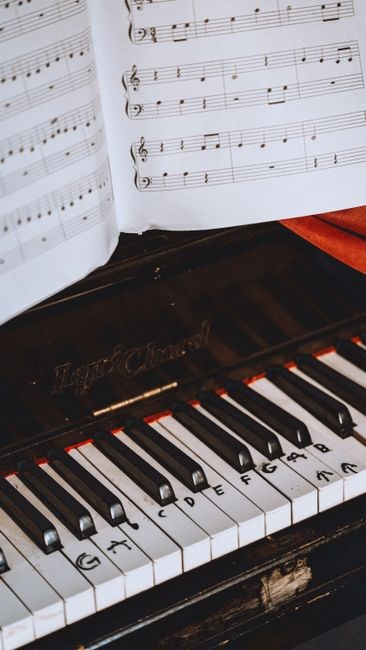
Guitar transcriptions of Mia Sebastian Theme are widely shared on MuseScore‚ offering both standard and fingerstyle arrangements. The original piano part by Justin Hurwitz is adapted into a right‑hand melody that fits comfortably on the guitar’s treble strings‚ while the left‑hand accompaniment is rendered as arpeggiated chords or broken‑chord patterns. Community members have produced versions that range from beginner‑friendly chord charts to intricate lead‑guitar solos with double‑stop embellishments. Many transcriptions include a capo on the first or second fret to match the original key‚ and some feature alternate voicings that preserve the jazz harmony while allowing a guitarist to play with a more open sound. The PDF files are downloadable for free‚ and the MIDI files enable players to hear the exact rhythmic feel before practicing. Guitarists often add a subtle swing or a muted strum to emulate the film’s jazz trio texture. These arrangements are popular in both teaching settings and performance repertoires‚ as they provide a concise way to explore the melodic contour and harmonic progression of La La Land’s soundtrack on the guitar. Whether you’re a student‚ teacher‚ or solo performer‚ these transcriptions give you a versatile resource for interpreting the theme in a guitar‑centric context. These guitar transcriptions are ideal for jam sessions‚ auditions‚ or personal practice‚ offering a experience!
Flute and Other Instrument Versions
Flute adaptations of Mia Sebastian Theme are available on MuseScore and other sheet‑music platforms‚ offering both single‑voice and double‑voice arrangements that capture the lyrical line of the original piano score. The theme’s melodic contour translates well to the flute’s warm‚ breathy tone‚ and many transcriptions include a subtle vibrato to emulate the jazz feel. For players seeking a more orchestral approach‚ there are arrangements that combine the flute with a small ensemble of strings or a jazz trio‚ allowing the solo instrument to weave in and out of the harmonic texture. In addition to the flute‚ versions for clarinet‚ saxophone‚ and oboe have been published‚ each preserving the harmonic progression while adapting the phrasing to the instrument’s range and timbre. The PDFs are downloadable for free‚ and the accompanying MIDI files provide a reference for rhythm and dynamics. These transcriptions are popular among educators for demonstrating how a film score can be adapted for wind instruments‚ and they are also used by performers in recitals and film‑score tribute concerts. Whether you are a beginner or an advanced player‚ the flute and other instrument versions of Mia Sebastian Theme offer a versatile resource for exploring the musical language of La La Land on a wide range of instruments; The transcriptions often include a key change to accommodate the instrument’s comfortable register‚ and some versions provide alternate fingerings to aid in smooth transitions between phrases. Additionally‚ many arrangements feature a short introductory ostinato that mirrors the film’s opening motif‚ giving performers a recognizable hook before the main theme unfolds. For those interested in a more technical study‚ the scores include detailed articulation markings‚ dynamic swells‚ and tempo indications that reflect the original film’s pacing. These resources are valuable for both solo performers and ensemble directors looking to incorporate a contemporary film score into their repertoire. By studying these versions‚ musicians can gain insight into how composers reinterpret harmonic structures across different timbral palettes‚ thereby enriching their own interpretive choices.
Copyright and Usage Rights
Copyright remains; free PDFs are for personal use only. Commercial use requires a publisher license. Downloaded MuseScore scores are licensed for non‑commercial purposes. Performances require rights clearance.
Public Domain Status of Theme
According to current U.S. copyright law‚ works created after 1978 are protected for the life of the author plus 70 years. The Mia Sebastian Theme‚ composed by Justin Hurwitz and released in 2016‚ is therefore still under copyright. The theme is not in the public domain‚ and any use beyond personal‚ non‑commercial study requires permission from the rights holder or a licensed distributor. The original score is published by a major music publisher‚ and the digital files available on MuseScore are distributed under a license that allows personal download and offline use only. For public performances‚ recordings‚ or commercial reproductions‚ a performance license must be obtained from the publisher or a performing rights organization that represents the composer. Users should verify the current status through the U.S. Copyright Office database or consult a legal professional before distributing or monetizing the material. The theme’s melodic and harmonic content is protected‚ and any derivative works must also comply with the same licensing requirements. In short‚ the Mia Sebastian Theme is not in the public domain and remains under strict copyright protection!!!!!!!!!!!
Performance Licensing Considerations
The Mia Sebastian Theme‚ composed by Justin Hurwitz for the 2016 film La La Land‚ remains under copyright and is administered by the composer’s publishing company. For the biz performance‚ a blanket license from a performing‑rights organization such as ASCAP‚ BMI‚ or SESAC is required. If the rendition is recorded and distributed‚ a mechanical license must also be obtained‚ typically through publisher’s licensing department or a mechanical rights agency. Digital streaming platforms usually negotiate a separate license that covers both public performance and mechanical rights‚ public the and terms vary by platform and territory. In an educational or non‑commercial setting‚ a free or reduced‑rate license may be available‚ but the performance must still be confined to non‑commercial use. For recordings intended for sale‚ the publisher will often require a royalty‑based agreement‚ with rates depending on the duration of the excerpt and the distribution medium. It is advisable to consult the publisher’s licensing guidelines or a music‑law attorney to ensure compliance with all statutory and contractual obligations. Failure to obtain the correct license can result in civil penalties‚ injunctions‚ or the removal of the recording from distribution platforms. Therefore‚ before public presentation‚ verify the licensing status‚ obtain the necessary permissions‚ and keep documentation of the license agreements for audit purposes.